Key Takeaways:
- Lowering the thermostat by even a single degree during cold months produces measurable annual bill reductions, making small adjustments one of the highest-return habits available.
- Air leaks around windows, doors, and attics account for a large share of wasted heat, and sealing them delivers some of the biggest cost reductions per dollar spent.
- Smart thermostats pay for themselves within a year or two by automatically reducing runtime when occupants are asleep or away.
- Household heating costs are climbing significantly year over year, making efficiency upgrades more financially urgent than in past seasons.
- Insulation improvements in attics, basements, and walls directly impact how long warm air stays inside the home.
- Routine maintenance of furnaces, filters, and ductwork prevents the efficiency losses that quietly inflate monthly bills.
- Behavioral changes, like using ceiling fans in reverse and opening south-facing curtains during the day, cost nothing but add up over a full season.
Why Winter Bills Keep Climbing Faster Than Expected
Every autumn, millions of households brace for the moment the first big heating bill lands in the mailbox. The shock is rarely imagined. Fuel prices, aging equipment, and drafty building envelopes combine to push monthly costs well above what most families budgeted for just a year or two ago. Understanding the forces behind those numbers is the first step toward controlling them.
According to the National Energy Assistance Directors Association, the average household is projected to spend roughly $995 on heating this winter, about 9.2% more than last season. That increase hits hardest in older homes with inefficient furnaces, poor insulation, and manual thermostats. It also lands disproportionately on renters and fixed-income households, who often have the least control over structural upgrades.
The good news is that the physics of winter heat loss is well understood, and researchers at agencies like the Department of Energy and the EPA have spent decades quantifying which fixes actually move the needle. The strategies below are grounded in that evidence, not in marketing claims.
How Does Thermostat Behavior Shape Your Heating Costs?
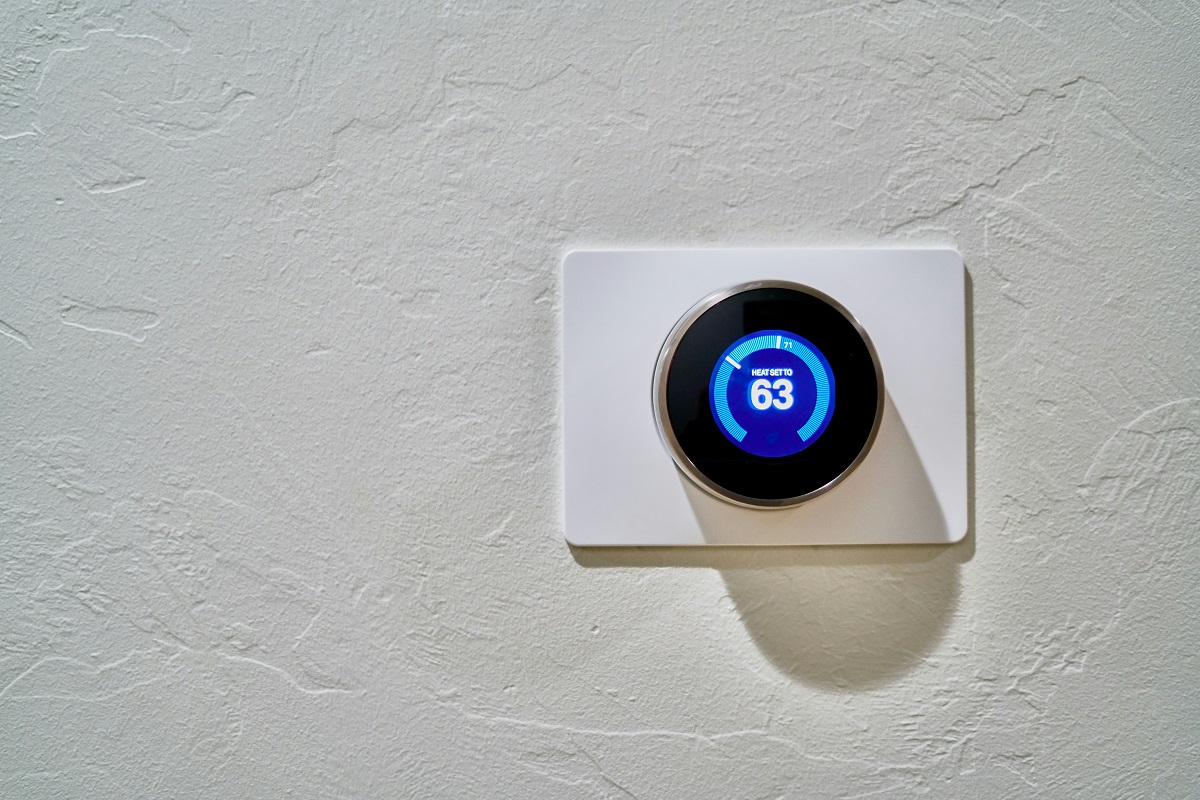
The thermostat is the single most influential device in your home during winter. Every degree it reads above what your body actually needs translates into measurable fuel consumption. Heating systems don’t just run harder at higher setpoints; they run longer, which compounds the cost over a 24-hour cycle. In a typical home, the furnace or heat pump already accounts for close to half of the entire utility bill between November and March, so even small adjustments at the wall-mounted dial ripple outward into the biggest category of home energy savings available during the cold months.
It helps to think of the thermostat less as a comfort switch and more as a budget lever. A setpoint of 72°F versus 68°F doesn’t just feel four degrees warmer — it forces the system to maintain a larger temperature gap against the cold outdoor air, and that gap is what actually drives fuel use. The wider the gap, the longer the burner, compressor, or heat strips must run to hold the line. This is why two neighbors with identical homes and identical equipment can see heating bills that differ by hundreds of dollars across a single season.
According to PG&E, turning the thermostat down by just one degree during winter can reduce your annual bill by about 1%. That means a modest four-degree setback while you sleep or work can realistically trim 4% off a full year of heating expenses. Multiply that across a decade and the savings become substantial — easily enough to cover a new high-efficiency furnace tune-up, a round of attic insulation top-ups, or a full set of weatherstripping for every exterior door in the house.
The Case for Smart Thermostats
Programmable and smart thermostats remove the discipline problem. They remember to lower the temperature at bedtime, raise it before you wake, and ease off while the house is empty. More advanced models go further, using motion sensors, geofencing through your phone, and local weather forecasts to anticipate when a cold front will push the system harder. Some even learn your household’s rhythm over a few weeks and begin building setback schedules on their own, which is particularly useful for families with irregular routines or shift workers who can’t commit to a fixed program.
According to ENERGY STAR data cited by Trane, households using a smart thermostat save about 8% on heating and cooling, roughly $50 annually. Given that most devices cost between $100 and $250, the payback window is short — often two to four years, and even faster if your utility offers a rebate for installing a qualifying model. Many power companies now provide $50 to $100 instant rebates on approved smart thermostats, which can effectively cut the hardware cost in half and bring the real payback period closer to a single heating season.
Here are the thermostat habits with the strongest evidence behind them, and some of the most reliable energy saving tips for winter you can apply tonight without buying anything new:
- Set daytime temperatures to 68°F when the house is occupied and awake, and consider wearing a light sweater or slippers to make that number feel comfortable
- Drop by 7 to 10 degrees during sleeping hours or long absences, since a cooler bedroom also tends to improve sleep quality
- Avoid cranking the dial higher to “heat faster” — furnaces don’t work that way, and overshooting the setpoint only wastes fuel while you adjust it back down
- Place the thermostat away from drafts, direct sunlight, and heat-producing electronics such as TVs, lamps, or kitchen appliances that can trick the sensor into misreading the room
- Replace batteries annually to prevent erratic cycling, and check the calibration if your readings seem noticeably warmer or cooler than a separate room thermometer
- Review the device’s scheduled program at the start of each season, since routines from summer cooling often linger and quietly undermine your winter strategy
Sealing the Envelope: Where Heat Actually Escapes
Heat follows the laws of thermodynamics, moving from warm areas to cold ones through any available path. In most homes, those paths are gaps around window frames, electrical outlets on exterior walls, attic hatches, recessed lighting, and the rim joists above foundations. These invisible leaks can add up to the equivalent of leaving a window open all winter.
According to EPA modeling cited by Constellation Energy, combining air sealing with added insulation can cut heating and cooling bills by around 15% on average. That figure dwarfs most behavioral tweaks and makes envelope improvements one of the highest-value projects a homeowner can undertake. For families planning larger upgrades, pairing sealing work with smart renovations for savings can multiply the long-term returns.
Prioritizing the Weak Points
Not every leak is equally worth chasing. A diagnostic blower-door test, available through many utility rebate programs, pinpoints the worst offenders in a few hours. If a professional audit isn’t accessible, start where building science research consistently flags the biggest losses: the attic plane, the basement rim joist, and any penetration where plumbing, wiring, or ducts cross from conditioned to unconditioned space.
Insulation and Windows: The Long-Term Investments
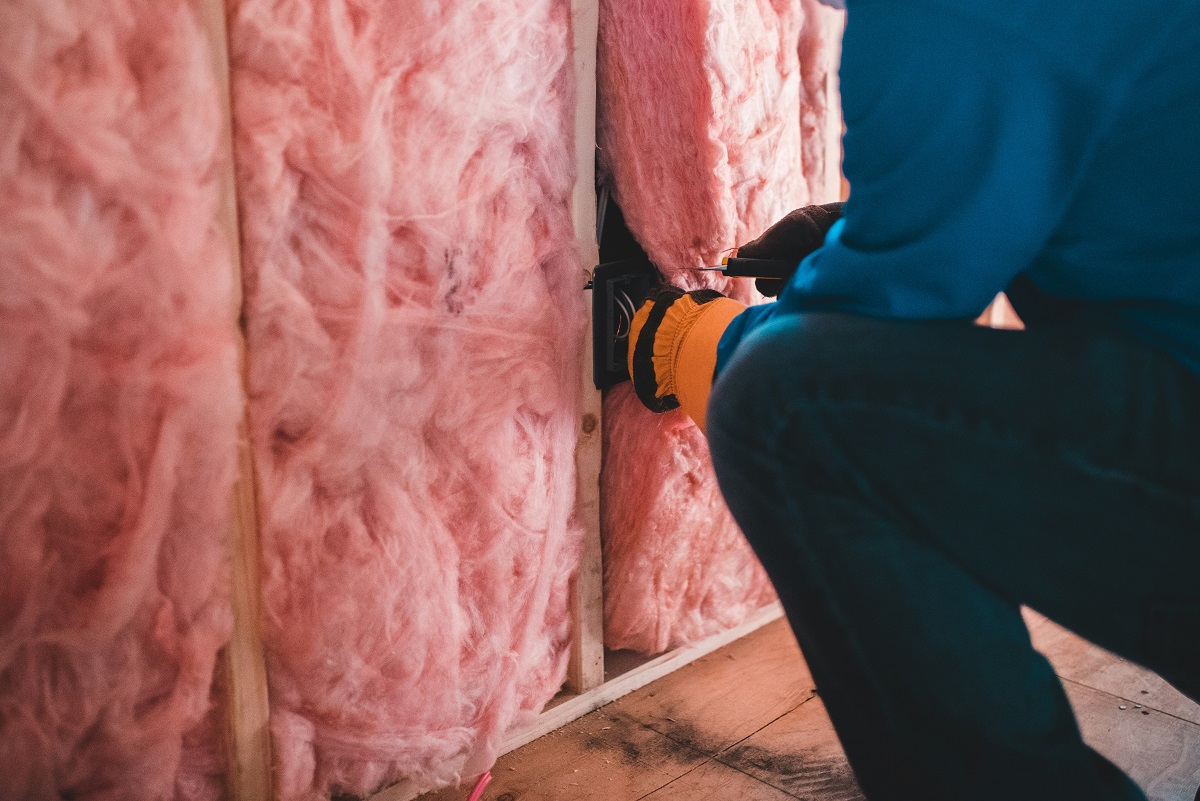
Insulation works by slowing the rate at which heat moves through walls, ceilings, and floors. Older homes often have attic insulation well below current code recommendations, which means furnaces fight a constant uphill battle to replace heat that escapes through the roof deck. Topping up attic insulation to R-49 or higher in cold climates is one of the most cost-effective single projects available to a homeowner, often paying for itself within five to ten years through reduced heating costs. Blown-in cellulose and loose-fill fiberglass are both popular DIY-friendly options, while spray foam offers higher R-values per inch when space is limited. Walls are harder to retrofit, but drill-and-fill dense-pack cellulose can be injected into existing stud cavities without tearing out drywall, delivering a noticeable comfort upgrade in drafty older homes.
Windows are trickier. Replacing them delivers real comfort gains but rarely pays back purely through energy savings within a reasonable timeframe — a full-house window replacement can run $15,000 to $30,000 or more, with payback periods often stretching beyond twenty years. Lower-cost interventions often make more financial sense: cellular shades, thermal curtains, exterior storm windows, and clear window film can meaningfully reduce heat loss without a full replacement. Honeycomb cellular shades alone can cut window heat loss by 40% or more when properly fitted, and interior storm window inserts made from acrylic panels can approach the performance of a double-pane upgrade at a fraction of the cost. Keep in mind that effective energy saving tips for winter don’t always require major capital projects — layered, incremental fixes often deliver comparable results, and they let you spread costs across multiple seasons as your budget allows.
When planning home energy savings around your building envelope, it helps to think about return on investment and tackle projects in a logical order. Consider these insulation and window strategies based on return on investment:
- Air seal before adding insulation; otherwise, you’re insulating around leaks and losing much of the benefit
- Add attic insulation up to recommended R-values for your climate zone, paying special attention to the perimeter where coverage often thins out
- Insulate basement rim joists with rigid foam or spray foam, since this small area is responsible for a disproportionate share of heat loss
- Install thermal curtains and close them at night to create an insulating air pocket against the glass
- Use removable window film in rooms with single-pane glass, which can be applied in an afternoon and removed in spring
- Add weatherstripping to doors and operable windows annually, replacing worn foam, felt, or silicone bulb seals before each heating season
- Consider interior storm window inserts for historic homes where exterior changes aren’t allowed
- Insulate attic hatches and pull-down stair openings, which are frequently overlooked thermal weak points
Maintenance Habits That Protect Your System
A neglected heating system quietly loses efficiency year after year. Dirty filters restrict airflow and force blowers to work harder. Clogged flame sensors cause furnaces to short-cycle. Unsealed ductwork can leak 20 to 30% of heated air into attics and crawlspaces before it ever reaches a living room. These are not exotic problems; they are standard findings in energy audits across the country.
An annual professional tune-up typically costs between $75 and $200 and often catches issues that would otherwise shorten the life of the equipment. Combined with simple homeowner habits, maintenance is the backbone of consistent home energy savings throughout the heating season. Think of it the way you’d think of oil changes for a vehicle: skip them long enough, and the repair bill eventually dwarfs what prevention would have cost.
Simple Maintenance Tasks You Can Handle Yourself
Most homeowners can perform the basic upkeep that keeps a furnace running at peak efficiency without calling a technician. The jobs below take minutes but have outsized effects on how hard your system has to work on the coldest nights of the year.
- Replace furnace filters every one to three months during heating season
- Vacuum return air grilles and baseboard heater fins
- Clear snow and debris away from exterior heat pump units
- Check visible duct seams for gaps and seal them with mastic or foil tape
- Keep furniture, rugs, and curtains clear of supply vents
- Flush hydronic baseboard systems and bleed radiators to remove trapped air
Ductwork deserves special attention because it’s often hidden and therefore ignored. Even a modest sealing project on accessible runs in a basement or crawlspace can recover a meaningful chunk of the heat your furnace produces. If you’re already thinking about broader upgrades, it’s worth exploring practical ways to cut heating waste across the whole house alongside your maintenance routine.
Zero-Cost Habits That Add Up Across a Season
Not every efficiency gain requires a tool, a technician, or a purchase. A surprising share of winter waste comes from habits that most households never think to question. Reversing those habits costs nothing and starts paying off the same day.
Ceiling fans, for example, are usually associated with summer, but running them clockwise at low speed in winter pushes warm air that collects near the ceiling back down into the living space. South-facing windows act as free solar collectors during daylight hours when curtains are open, then as heat-loss points once the sun sets and they stay uncovered. The timing matters as much as the action itself.
Daily Routines Worth Building
- Open south and west-facing curtains during daylight, close them at dusk
- Run bathroom and kitchen exhaust fans only as long as needed; they pull heated air outside
- Close doors to unused rooms only if your system is designed for zoning
- Cook meals in the oven on the coldest evenings to add residual warmth
- Shower earlier in the day so humidity lingers and raises perceived warmth
- Wear layered clothing and use throws rather than nudging the thermostat upward
Water Heating and Appliance Tweaks Worth Making
Water heating is the second-largest energy expense in most homes after space heating, and winter amplifies the gap because incoming groundwater is colder. Lowering the water heater setpoint to 120°F, insulating the tank with a jacket, and wrapping the first few feet of hot water pipe all reduce standby losses without affecting comfort.
Appliances also behave differently in cold months. Running the dishwasher and clothes washer with full loads, air-drying dishes, and washing laundry in cold water all reduce the energy burden layered on top of heating costs. LED bulbs, which run longer during short winter days, use a fraction of the electricity of incandescent equivalents and generate almost no wasted heat loss through fixtures that penetrate the attic.
Final Thoughts
Winter heating costs feel inevitable, but they’re actually one of the most controllable line items in a household budget. The combination of thermostat discipline, envelope sealing, insulation improvements, routine maintenance, and no-cost behavioral shifts can realistically cut a heating bill by a quarter or more over a single season. None of these strategies require specialized expertise, and most pay for themselves well within the first year.
The households that come out ahead each winter aren’t the ones with the newest equipment or the largest renovation budgets. They’re the ones who treat efficiency as a layered practice: sealing a few leaks this month, swapping a filter next month, programming the thermostat tonight, and closing the curtains at dusk. Each move is small on its own, but stacked together they transform how a home holds onto the warmth it already pays for.
Start with the fixes that cost nothing, move to the ones with the fastest payback, and save the capital-intensive projects for when the groundwork is in place. By the time the next cold snap arrives, the difference will show up in both the thermostat reading and the monthly statement.