Introduction
Home improvement projects can dramatically enhance both the comfort and value of your property, but managing multiple upgrades can be overwhelming without a clear plan. From structural improvements to interior finishes, coordinating different trades, materials, and timelines is essential for a smooth process. Successful projects balance aesthetics, functionality, and long-term durability, requiring careful decision-making, budgeting, and professional support where necessary.
The goal of this guide is to provide homeowners with a comprehensive roadmap for tackling a range of projects, from roofing and kitchen remodeling services to flooring, painting, and moving logistics. By understanding best practices for each aspect of a home upgrade, you can avoid common pitfalls, minimize stress, and ensure your investment delivers lasting value. Readers will learn how to plan, coordinate, and maintain projects effectively while maximizing comfort, safety, and curb appeal.
Whether you’re upgrading your kitchen, refreshing your floors, or installing new windows, integrating multiple projects into a cohesive strategy is key. This guide emphasizes actionable tips, professional insights, and practical advice to help homeowners navigate each stage—from planning and contractor selection to final touches and ongoing maintenance.
How to Plan a Successful Home Improvement Project from Start to Finish

Every successful home improvement project begins with careful planning. A general contractor can serve as a central point of contact to manage multiple trades, coordinate timelines, and ensure adherence to building codes.
- Set clear objectives: Identify the purpose of each project. Are you focusing on aesthetics, functionality, or resale value? Prioritize tasks accordingly. Consider long-term needs as well—what may be trendy now should also suit your lifestyle for years to come.
- Create a realistic budget: Account for labor, materials, permits, and unexpected expenses. Add a 10–20% contingency for unforeseen issues. Comparing multiple quotes from suppliers and contractors helps ensure you get fair pricing without compromising quality.
- Develop a timeline: Outline when each trade or contractor will perform work to avoid conflicts and delays. Include buffer time for inspections, deliveries, and potential weather-related interruptions.
- Understand local regulations: Permits and inspections are often required for structural, electrical, or plumbing work. A general contractor helps navigate these requirements and ensures compliance, reducing the risk of fines or delays.
- Regular communication: Maintain open communication with all parties, track progress, and adjust schedules as needed. Regular check-ins, written updates, and shared project boards can help keep everyone aligned.
- Additional planning tips: Document design decisions, material selections, and warranty information. Create a clear chain of responsibility so all subcontractors know who to report to. Planning for safety, cleanup, and storage during the project prevents disruptions and protects both your property and workers.
Hiring a general contractor can significantly reduce stress, minimize errors, and keep projects on track. Their expertise ensures each stage integrates seamlessly, from design and demolition to final finishes, delivering a professional and satisfying result that meets both your vision and practical needs.
Evaluate Your Roof and Know When It’s Time for an Upgrade
Your roof is one of the most critical components of your home’s structure. Ignoring wear and tear can lead to leaks, water damage, and costly repairs.
- Signs of damage: Look for missing or curling shingles, water stains on ceilings, sagging sections, or moss growth.
- Age considerations: Most roofs last 20–30 years depending on materials; older roofs are more prone to failure.
- Professional inspections: Roofing contractors can assess underlying issues, including flashing, underlayment, and structural integrity.
- Material selection: Asphalt shingles, metal roofs, and tile offer varying durability, aesthetic appeal, and maintenance requirements.
- Maintenance tips: Keep gutters clean, trim overhanging branches, and inspect after storms to extend roof lifespan.
Early intervention prevents emergencies, protects interiors, and ensures the home remains energy-efficient.
Create a Functional and Stylish Kitchen Layout
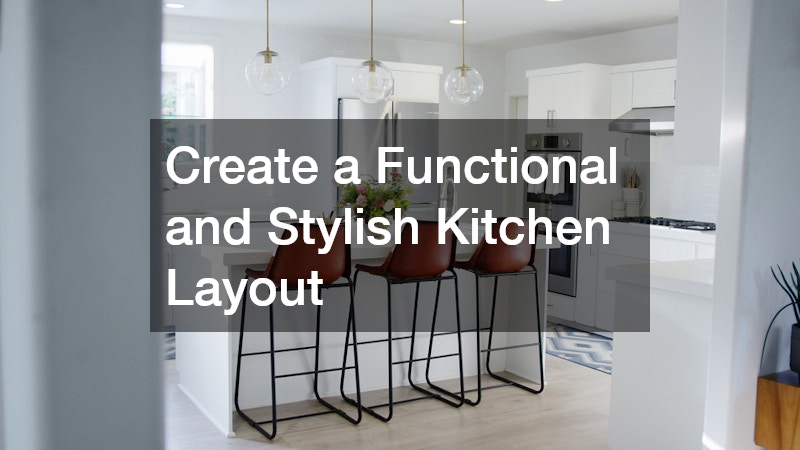
The kitchen is often the heart of the home, combining functionality with visual appeal. A well-planned remodel can enhance usability, storage, and energy efficiency.
- Assess workflow: Consider the classic work triangle between sink, stove, and refrigerator.
- Maximize storage: Install cabinets that extend to the ceiling, incorporate pull-out shelves, and use corner storage solutions.
- Material selection: Durable countertops, backsplashes, and cabinetry improve longevity and aesthetics.
- Smart features: Integrated appliances, touchless faucets, and programmable lighting can improve convenience and energy efficiency.
- Budget-conscious upgrades: Repainting cabinets, replacing hardware, or installing new lighting can refresh the space without a full remodel.
Combining design planning with high-quality materials ensures the kitchen meets both functional and visual expectations, especially when working with a professional painting company.
Transform Your Bathroom into a Comfortable, Efficient Space
Bathrooms are high-traffic spaces that require careful attention to water management, storage, and accessibility. Beyond aesthetics, a well-designed bathroom should optimize functionality, improve safety, and reduce long-term maintenance challenges.
- Identify problem areas: Start by conducting a thorough assessment of your current bathroom. Look for mold or mildew, which can indicate poor ventilation, leaks, or water damage. Check lighting levels—dim or uneven lighting can make the space feel cramped and unsafe. Inspect storage options; cluttered counters and insufficient cabinetry can reduce usability. Finally, evaluate outdated fixtures that may consume more water or energy than modern alternatives.
- Fixture selection: Upgrading key fixtures not only improves efficiency but also enhances the visual appeal. Low-flow toilets, faucets, and showerheads conserve water without compromising performance. Energy-efficient LED lighting reduces electricity usage while brightening the space. Consider durable materials such as porcelain, quartz, or stone for vanities and countertops, which withstand daily wear and resist water damage.
- Storage solutions: Maximize storage with clever options such as wall-mounted shelves, medicine cabinets, vanity organizers, or pull-out drawers. Vertical storage can free up floor space, while built-in niches in showers can reduce clutter. Thoughtful storage ensures the bathroom remains organized and functional, even in smaller spaces.
- Accessibility considerations: Modern bathrooms should accommodate all users. Walk-in showers with low thresholds, non-slip flooring, and grab bars provide safety and ease of use for children, seniors, and individuals with mobility challenges. Adjustable showerheads, seating areas, and lever handles on faucets further enhance accessibility and convenience.
- Cost management: Remodels can be expensive, so focusing on high-impact areas often delivers the best value. Updating the vanity, replacing tile, or improving lighting can transform the space without a full renovation. For budget-conscious homeowners, painting cabinets, swapping hardware, or adding mirrors can dramatically improve aesthetics at minimal cost.
- Additional tips: Consider ventilation fans with humidity sensors to prevent moisture buildup and mold growth. Installing underfloor heating can increase comfort, particularly in colder climates. Water-efficient fixtures combined with modern finishes also boost resale value, making your investment pay off long-term. Thoughtful bathroom remodeling balances beauty, efficiency, and safety while providing a space that is comfortable for daily routines.
Maximize Your Living Space with Smart Interior Upgrades

Interior remodeling extends beyond individual rooms to overall layout improvements and energy efficiency. A well-planned interior remodel can improve flow, increase natural light, and enhance long-term functionality.
- Space reconfiguration: Removing or repositioning walls can open up cramped areas and create a more seamless floor plan. Combining rooms such as a kitchen and dining area or creating open-concept living spaces can improve traffic flow and allow for flexible layouts. Adjust doorways to improve circulation and accommodate furniture placement.
- Lighting and natural light: Integrating additional windows, skylights, or solar tubes brings in natural light, reducing reliance on artificial lighting and improving energy efficiency. Layered lighting—ambient, task, and accent—ensures rooms are functional at all times of day. Consider dimmable LED fixtures for energy savings and enhanced mood control. Also consider professional window cleaning to make sure the light can always come through and brighten your space.
- Coordinated finishes: Ensure floors, trim, cabinetry, and wall colors complement each other to create a cohesive aesthetic. Subtle coordination between hardware finishes and light fixtures also contributes to a polished, intentional look. Matching or complementary color palettes can make spaces feel larger and more harmonious.
- Energy efficiency: Upgrade insulation, seal drafts, and replace older windows to reduce energy consumption. Adding programmable thermostats and energy-efficient HVAC systems further improves climate control and lowers utility costs. Energy-efficient upgrades often qualify for rebates or tax incentives, enhancing overall value.
- Avoid common mistakes: Before undertaking significant remodeling, plan for furniture placement, traffic flow, and storage needs. Ensure accessibility for all family members and consider future lifestyle changes. Failure to plan for these details can lead to functional challenges even after a visually stunning remodel.
- Additional insights: Incorporating flexible rooms that serve multiple purposes, such as a guest office that doubles as a craft room, can enhance long-term usability. Smart home integration for lighting, climate control, and security also adds convenience and future-proofs your interior remodel.
Turn Unused Areas into Valuable Living Space
Finishing a basement or underutilized area can add substantial functional space and increase your home’s overall value. Proper planning and moisture management are essential to a successful project.
- Evaluate potential: Start by inspecting your basement or unfinished space. Ensure there are no active leaks, adequate ventilation, and sufficient ceiling height for comfortable living. Check the foundation for cracks and signs of water intrusion that may compromise long-term durability.
- Moisture management: Preventing mold and dampness is critical. Seal foundation cracks, apply waterproof coatings, and install vapor barriers as necessary. Dehumidifiers help maintain consistent humidity levels. For high-risk areas, consider using moisture-resistant drywall and flooring.
- Design multipurpose areas: Basements can be transformed into home theaters, offices, gyms, game rooms, or guest suites. Consider integrating built-in storage or modular furniture to maximize usability without clutter. Adding appropriate lighting, both ambient and task-specific, ensures the space feels welcoming and functional.
- Durable materials: Select materials specifically designed for below-grade conditions. Vinyl plank flooring, ceramic tile, and moisture-resistant paint can withstand potential humidity while maintaining aesthetic appeal. Carpeting should be avoided in areas prone to dampness to prevent mold and odor.
- Professional assistance: Hiring contractors with experience in basement finishing ensures code compliance, proper egress windows, and structural safety. Electrical, plumbing, and HVAC systems often need adjustments to accommodate new living areas.
- Additional considerations: Plan for future flexibility—design spaces that can adapt to changing needs. Include sufficient outlets and network connectivity for offices or entertainment areas. A well-designed basement not only expands living space but also increases home value, improves energy efficiency, and provides a safe environment for family activities.
Choose Durable and Stylish Surfaces for Every Room

Flooring impacts both comfort and design throughout your home, influencing aesthetic cohesion, durability, and maintenance needs. Make sure to always work with a reputable flooring company.
- Material options: Hardwood floors add elegance and warmth, while laminate and engineered wood provide affordability and easier maintenance. Tile is ideal for high-moisture areas such as kitchens, bathrooms, or laundry rooms. Vinyl and luxury vinyl plank flooring offer moisture resistance and durability for high-traffic areas.
- High-traffic considerations: Evaluate areas of your home for foot traffic intensity. Hallways, kitchens, and living areas require more durable options, while bedrooms may accommodate softer, more comfortable materials. Consider protective finishes or rugs to extend the life of flooring.
- Installation tips: Proper subfloor preparation, moisture barriers, and acclimation to room temperature and humidity are critical for long-lasting flooring performance. Improper installation can result in warping, gaps, or uneven surfaces.
- Maintenance guidance: Routine cleaning, protective pads under furniture, and periodic refinishing for wood floors maintain appearance and longevity. Avoid abrasive cleaners or tools that can damage finishes. Stain removal techniques vary by material—tile grout may require different care than wood surfaces.
- Design cohesion: Select colors and textures that complement cabinetry, wall colors, and fixtures. Coordinating finishes across rooms creates a consistent and harmonious home aesthetic. Transition strips and molding also enhance the visual flow between different flooring types.
- Additional tips: Consider underfloor heating for bathrooms and kitchens, which enhances comfort. Area rugs in high-use areas reduce wear and provide added style. A balance between durability, aesthetics, and comfort ensures that flooring serves both functional and decorative purposes for years to come.
Conclusion
Successfully improving and maintaining a home requires a balance of careful planning, professional support, and proactive maintenance. From roofing, interior remodeling, and kitchen or bathroom upgrades to flooring, painting, and moving and packing logistics, a strategic approach ensures projects integrate seamlessly. Coordinating multiple services reduces delays, minimizes costs, and enhances overall results.
Investing in high-quality materials, skilled contractors, and preventive care maximizes comfort, durability, and resale value. Homeowners who take a comprehensive approach—combining planning, execution, and ongoing upkeep—achieve spaces that are not only beautiful but functional, safe, and long-lasting. By understanding best practices for each service area and leveraging professional expertise, your home can remain a valuable and enjoyable environment for years to come.