Improving an outdoor space is about more than changing how a yard looks. The most successful projects make a property easier to use, more comfortable to spend time in, and better suited to the way a household actually lives. Privacy, shade, seating, pathways, landscaping, and functional gathering areas can all shape how often people use their exterior spaces throughout the year.
A well-planned renovation can also improve curb appeal while solving practical problems. Overgrown lawns, exposed property lines, worn concrete, poor drainage, and unused corners can make a yard feel less inviting. By looking at the property as a whole, homeowners can choose projects that work together instead of competing for space or creating unnecessary maintenance. Some upgrades focus on appearance, while others support privacy, recreation, entertaining, or day-to-day convenience. The right combination depends on the property, budget, climate, and household priorities, but a thoughtful plan can make every improvement feel more connected.
Start With a Landscape Plan That Supports the Whole Property
Before beginning individual projects, homeowners should decide how they want the yard to function. A property may need space for children, pets, entertaining, gardening, quiet relaxation, or outdoor cooking. Mapping these uses first makes it easier to determine where structures, pathways, planting beds, fencing, and open lawn areas should go.
Landscaping contractors can help evaluate sun exposure, drainage, soil conditions, slopes, and traffic patterns before major changes begin. These factors can affect where plants thrive and where patios or gathering spaces make the most sense. A professional plan may also reduce the chance of installing one feature that later conflicts with another project.
Plant placement should consider mature size rather than how shrubs or trees look at installation. Large plants positioned too close to walkways, fences, or buildings can create future maintenance problems. Smaller plantings can be layered with taller shrubs or ornamental trees to create depth, seasonal interest, and visual separation.
Homeowners should also consider how much ongoing maintenance they want. A formal landscape with clipped hedges and detailed planting beds may require more attention than a simpler layout. Choosing a design that matches the household’s available time can make the finished yard easier to maintain and more enjoyable to use.
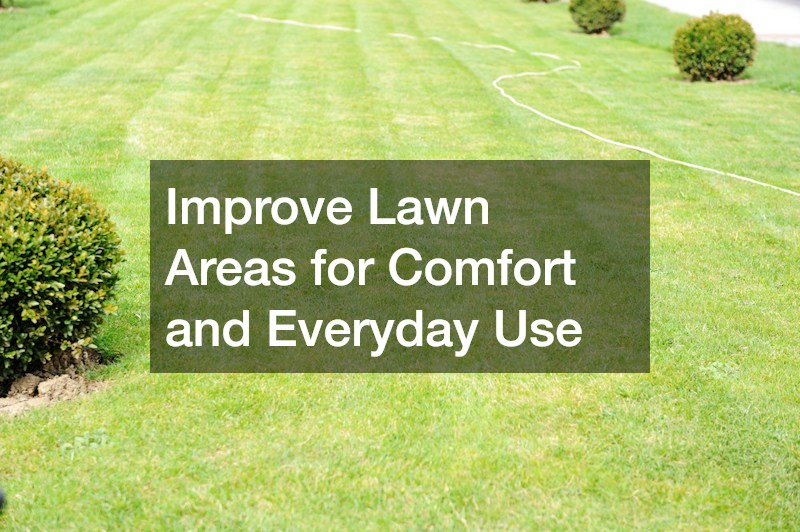
Improve Lawn Areas for Comfort and Everyday Use
Open lawn areas can support play, pets, casual gatherings, and visual balance between harder surfaces and planted areas. However, grass can become difficult to maintain when soil is compacted, drainage is poor, or sunlight is limited.
Lawn care services can help address mowing, fertilization, weed management, aeration, and other routine needs that keep turf looking healthy. Homeowners should pay attention to thin areas, standing water, and repeated weed growth because these may point to underlying problems rather than simple cosmetic issues.
In locations where natural grass struggles, artificial turf may be an alternative for play zones, pet areas, narrow side yards, or spaces that receive heavy foot traffic. It can provide a consistent surface without regular mowing, but installation quality, drainage, heat exposure, and cleaning requirements still matter.
Families should think about how lawn space connects to patios, walkways, and gardens. Clear borders can help define these zones and make maintenance easier. Trees and shrubs should also be placed so they do not create unnecessarily difficult mowing areas.
The goal is not to maximize the amount of lawn, but to create enough usable open space for the activities that matter most. A smaller, well-maintained lawn may be more functional than a larger area that is difficult to water, mow, or repair.
Add Privacy With Fencing and Custom Entry Features
Privacy can strongly influence how comfortable a backyard feels. A yard that is fully visible from neighboring properties or busy streets may discourage people from using outdoor seating, pools, gardens, or entertainment areas as often as they would like.
Residential fencing can create clearer boundaries while helping contain children or pets and separating private areas from public-facing spaces. Wood, vinyl, composite, aluminum, and other materials offer different levels of privacy, maintenance, and visual openness. Homeowners should choose a style that fits both the architecture of the home and the purpose of the fence.
Gate placement is equally important. Custom gates installation can make frequently used access points more functional while adding a finished look to the property. Gates can be designed to match fencing, accommodate wider equipment access, or create a more distinctive entrance near a driveway or garden path.
Homeowners should consider local requirements before changing fence height, placement, or materials. Utility locations and property boundaries should also be confirmed before digging begins.
Landscaping can soften long fence lines and make them feel more integrated with the yard. Shrubs, ornamental grasses, vines, or planting beds can reduce the visual weight of a solid fence while adding color and texture. Combining fencing with thoughtful planting often creates better privacy than relying on either feature alone.

Create a More Comfortable Outdoor Living Area
Outdoor living spaces are more likely to be used when they provide shade, protection, comfortable seating, and a convenient connection to the home. Patios and decks often serve as gathering areas, but covered or screened spaces can extend their usefulness.
A screened in porch builder can help create a space that feels connected to the outdoors while offering some protection from insects, wind, and direct sun. A screened porch may work well for dining, reading, relaxing, or spending time outside during seasons when an uncovered patio is less comfortable.
Homeowners should think about how the porch connects to interior rooms and other outdoor areas. Easy access from the kitchen can make outdoor meals more convenient, while a connection to the backyard can improve movement between seating and play areas.
Lighting, ceiling fans, furnishings, and electrical access can also affect how useful the space becomes. Planning these details before construction may prevent the need for later modifications.
Privacy should remain part of the design. Screens, curtains, landscaping, and the orientation of seating can help reduce direct views from neighboring properties. A comfortable porch does not need to be large if the layout supports the activities the household values most.
Build an Outdoor Cooking and Entertaining Zone
Outdoor kitchens can turn a patio or backyard into a more complete entertaining space. Rather than carrying food and supplies repeatedly between the house and grill, homeowners can create a dedicated area for preparation, cooking, serving, and storage.
An outdoor kitchen contractor can help plan the layout around appliances, counters, utilities, ventilation, and traffic flow. The cooking area should be positioned so heat and smoke do not overwhelm seating areas or collect beneath unsuitable structures. Clearances around grills and other appliances should also be considered carefully.
Counter space is important because outdoor cooking often requires room for preparation, serving dishes, beverages, and utensils. Storage can keep frequently used items nearby, while weather-resistant cabinets help reduce clutter.
Materials should be selected for outdoor exposure. Sun, rain, temperature changes, and moisture can affect finishes differently than indoor conditions. Surfaces should be easy to clean and suitable for food preparation.
The kitchen should connect naturally with dining and seating areas without blocking major walkways. Lighting can improve both safety and atmosphere during evening gatherings. A well-designed outdoor kitchen does not need every possible appliance. Focusing on the features that match the household’s cooking habits can create a more useful space without overcrowding the patio.
Use Concrete to Improve Access and Definition
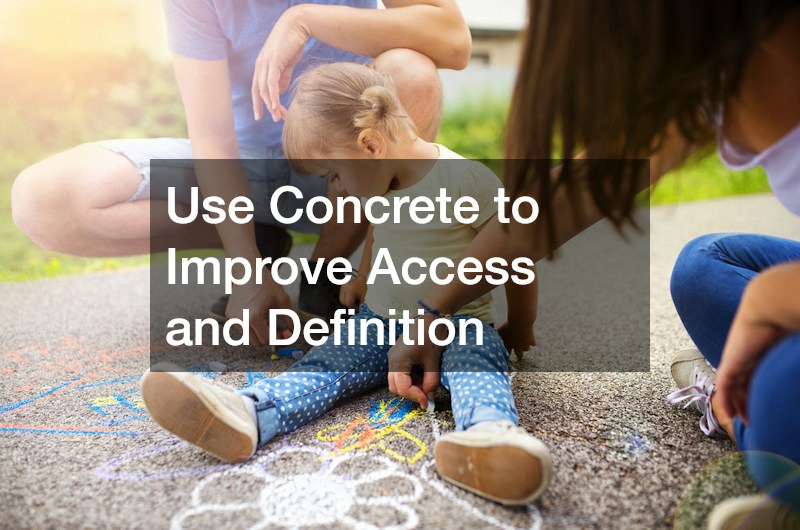
Concrete can play several roles in an outdoor renovation, from creating patios and walkways to supporting steps, pads, and other functional surfaces. When planned carefully, these features can improve circulation and make different parts of the yard easier to access.
Concrete contractors can evaluate grading, thickness, reinforcement, drainage, and surface finish based on how the area will be used. A walkway may have different requirements than a driveway extension or a patio intended to support heavy outdoor equipment.
Surface texture deserves attention in places exposed to rain, irrigation, or pool water. A finish that provides additional traction may be more practical than a very smooth surface in frequently wet areas.
Concrete can also define zones within the property. A path can guide people from the driveway to the backyard, while a patio can visually separate dining areas from lawns or gardens. Curves, borders, and changes in texture can add interest without making the design feel overly complicated.
Drainage should be considered before pouring any permanent surface. Water should move away from foundations and gathering areas rather than collect against structures or create puddles on walkways. Coordinating concrete work with landscaping and fencing projects can help avoid having new surfaces cut or damaged later.
Add Water Features Without Sacrificing Function
Water features can create a focal point and add movement, sound, and visual interest to a landscape. Ponds can work particularly well in quiet garden areas where seating and plantings are designed around relaxation.
Pond builders can help determine suitable size, depth, location, filtration, and circulation for the intended design. A decorative pond has different needs than one designed for fish or aquatic plants, so the purpose should be clear before excavation begins.
Placement affects both appearance and maintenance. A pond beneath trees may collect leaves and debris, while one in full sun may experience different algae and temperature conditions. Nearby electrical access, drainage, and water supply may also influence the best location.
Families with small children or pets should consider safety carefully when adding open water. Barriers, depth choices, visibility, and supervision all matter.
The area surrounding the pond can help connect it to the rest of the landscape. Stone, planting beds, benches, and pathways can create a natural transition between the water feature and nearby yard areas. The pond should feel intentional rather than inserted into an unused corner.
Homeowners should also understand ongoing maintenance requirements. Pumps, filters, plants, and water quality may need regular attention, so the design should match the amount of upkeep the household is prepared to manage.
Protect Outdoor Spaces With Ongoing Maintenance
Even a well-designed outdoor area can lose comfort and curb appeal if maintenance is ignored. Routine care helps lawns, fences, patios, porches, kitchens, and landscaping continue to function as intended.
Outdoor pest control services can be helpful when mosquitoes, ants, ticks, or other pests make patios and lawns difficult to enjoy. Pest management should focus on the conditions attracting or supporting pests, not only on temporary treatments. Standing water, overgrown vegetation, uncovered trash, and debris can all create favorable conditions for unwanted activity.
Homeowners should also inspect fencing and gates for loose hardware, leaning sections, or damage after storms. Concrete surfaces can be checked for cracks or settlement, while screened areas should be examined for tears or damaged frames. Outdoor kitchens benefit from regular cleaning and seasonal inspections of appliances, utilities, and storage areas.
Landscaping maintenance should include pruning, weed control, lawn care, irrigation checks, and attention to drainage. Artificial surfaces and water features have maintenance needs as well, even if they reduce some traditional yard work.
A seasonal checklist can make these responsibilities easier to manage. Rather than waiting for multiple problems to appear at once, homeowners can divide tasks throughout the year. This approach helps protect the investment in each improvement while keeping the property comfortable and presentable.
Outdoor projects are most successful when they support one another. Privacy features can make gathering spaces more comfortable, landscaping can soften hard surfaces, and well-placed paths can connect every major area of the yard. By coordinating fencing, lawns, porches, kitchens, concrete, water features, and pest management, homeowners can create an exterior that feels more private, practical, and visually cohesive. A thoughtful maintenance plan then helps preserve those benefits so the property remains enjoyable for everyday use, family gatherings, and future improvements.
Homeowners can also revisit the plan as their needs change. A play area may eventually become a garden, an unused lawn may become additional seating, or a simple patio may grow into a larger entertaining zone. Designing with flexibility in mind can reduce future disruption and make later upgrades easier to complete. Keeping records of materials, contractors, warranties, and maintenance schedules can also simplify repairs and future planning considerably.