A drafty window or a slow, barely-there drip under the sink rarely feels like an emergency, so most homeowners put off dealing with it. But small problems like these are quietly expensive, driving up utility bills, damaging structural materials, and creating conditions that invite mold, pests, and rot. Understanding how these minor issues snowball into major repairs can help you protect both your home’s value and your wallet. This article breaks down the most common small leaks and drafts, what they cost you over time, and when it makes sense to call in help.
Roof Flashing and Shingle Gaps That Let Water In
A missing shingle or a small gap in flashing around a chimney or vent pipe might seem cosmetic, but it is an open invitation for water to seep into your attic and walls. Over months or years, this slow intrusion rots decking, stains ceilings, and weakens the structure supporting your entire roof system. Many homeowners do not notice the damage until they see a water stain spreading across a bedroom ceiling, at which point the repair bill is much larger than it would have been at the first sign of trouble.
Severe weather often accelerates these small issues into urgent ones, which is why storm damage roof repair is one of the most requested services after a major hailstorm or windstorm. Even if your roof looks fine from the ground, wind-lifted shingles and hail bruising can create entry points for water that are nearly invisible until a leak develops. Scheduling an inspection after any significant storm can catch these gaps before they become expensive interior damage.
- Check attics after heavy rain for damp insulation or dark spots on wood
- Look for granules from shingles collecting in gutters, a sign of wear
- Inspect flashing around chimneys, skylights, and vents twice a year
- Address curling or missing shingles promptly rather than waiting for a full season

Window and Door Seals That Undermine Comfort and Efficiency
A thin draft around a window frame or exterior door might only cost a few dollars a month in wasted energy, but multiplied across an entire house and an entire heating season, that number adds up fast. Cracked caulking, worn weatherstripping, and warped door frames let conditioned air escape while letting outside temperatures creep in. This forces your heating and cooling equipment to work harder, shortening its lifespan and increasing your utility bills year after year.
Beyond comfort, persistent drafts around doors can point to a bigger structural issue, especially if a door has started sticking or no longer closes flush with its frame. This is particularly true for garage doors, where worn seals and misaligned tracks let in cold air, dust, and even small pests. In cases where the door itself is damaged or outdated, garage door installation often ends up being more cost effective than repeated patch repairs, especially if the existing door is more than fifteen years old.
- Run a hand along window and door edges on a windy day to feel for air movement
- Replace cracked or compressed weatherstripping every few years
- Reseal exterior caulking annually, especially in freeze-thaw climates
- Watch for daylight visible around closed door frames
Slow Plumbing Leaks Behind Walls and Under Floors
A faucet that drips once every few seconds can waste thousands of gallons of water annually, but the real danger often lies in leaks you cannot see, like a slow seep behind a wall or beneath a slab. These hidden leaks gradually saturate wood framing, drywall, and subflooring, creating the perfect environment for mold growth and structural decay. By the time a homeowner notices warped flooring or a musty smell, the damage has often been developing for months.
Because these leaks are so difficult to spot with the naked eye, many homeowners eventually turn to professional plumbing services to identify the source before it worsens. A trained technician can pressure test lines, check water meter readings against actual usage, and pinpoint problem areas without tearing into every wall. Catching a slow leak early not only saves on repair costs but also prevents the higher water bills that come from ongoing waste.
- Check your water meter before bed and again in the morning without using water to test for hidden leaks
- Watch for unexplained increases in your monthly water bill
- Look for soft or discolored spots on walls and ceilings near plumbing lines
- Address slow drips immediately rather than waiting for a full pipe failure
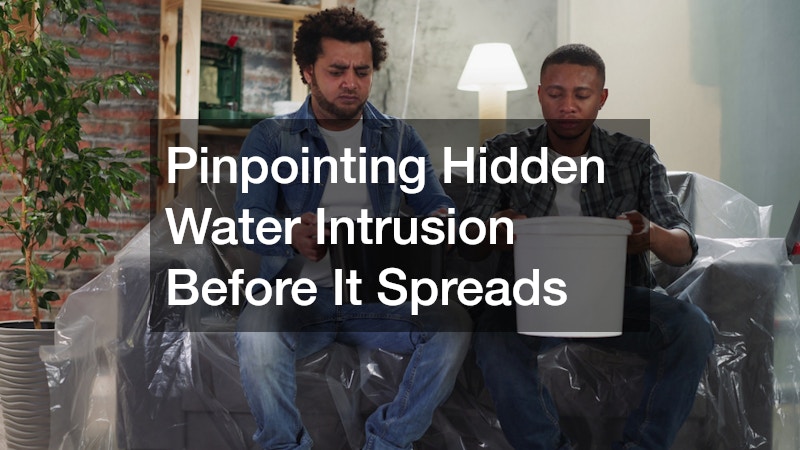
Pinpointing Hidden Water Intrusion Before It Spreads
Not every leak announces itself with a visible puddle or a stained ceiling. Many of the most damaging leaks travel along pipes, joists, or foundation walls before surfacing somewhere far from the actual source, making them nearly impossible to trace without specialized equipment. This is where modern leak detection services prove valuable, using tools like infrared cameras, acoustic sensors, and moisture meters to locate the exact point of intrusion without unnecessary demolition.
Early detection matters because water damage compounds quickly once it starts. A leak that goes undetected for a single season can lead to mold colonies, insect infestations, and weakened framing, all of which are far more expensive to remediate than the original leak itself. Investing in a professional inspection when you notice musty odors, unexplained humidity, or peeling paint can save you from a much larger renovation project down the road.
- Musty smells that persist even after cleaning often indicate hidden moisture
- Peeling paint or bubbling wallpaper can signal water trapped behind a wall
- Unexplained spikes in humidity readings are worth investigating
- Warped baseboards or flooring are a late-stage sign of ongoing moisture
Attic and Duct Leaks That Quietly Inflate Energy Bills
Air ducts that run through attics, crawlspaces, or unconditioned basements often develop small separations at their joints over time, leaking heated or cooled air before it ever reaches your living space. Homeowners rarely see this loss directly, but they feel it in uneven room temperatures and higher-than-expected utility bills. Sealing and insulating ductwork is one of the most overlooked home efficiency projects, yet it can noticeably improve comfort within a single season.
Because ductwork issues are often buried behind walls or hidden above ceilings, a full inspection typically requires professional HVAC services to properly diagnose airflow problems and measure system performance. A technician can identify leaking joints, disconnected sections, and undersized returns that force your system to run longer than necessary. Addressing these issues not only lowers energy costs but also extends the working life of your furnace or air conditioner.
- Feel for warm or cool air near duct seams in the attic or basement
- Compare room-to-room temperature differences during extreme weather
- Check for dust streaks near vents, a sign of air escaping around the register
- Have ductwork inspected every few years, especially in homes over fifteen years old
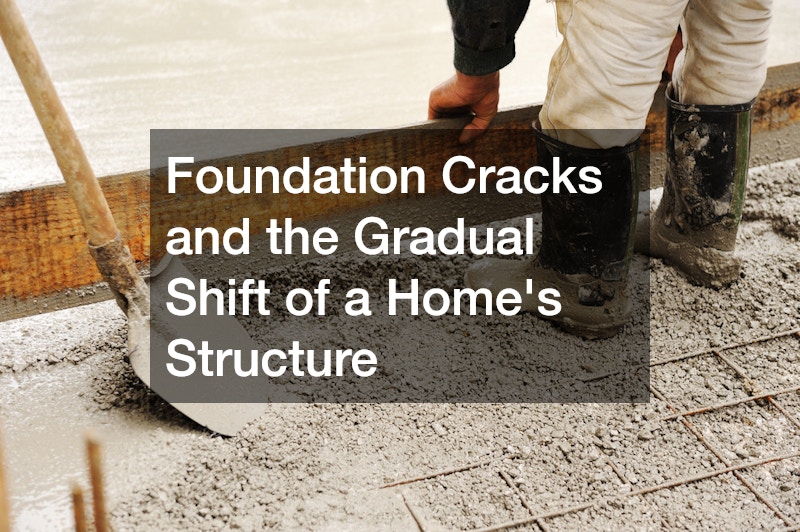
Foundation Cracks and the Gradual Shift of a Home’s Structure
Hairline cracks in a foundation wall or floor slab are common in many homes, but when they widen or multiply, they often signal that the ground beneath the house is shifting unevenly. Soil expansion, poor drainage, and long-term moisture intrusion are frequent culprits, and ignoring the early signs can allow a manageable issue to develop into a serious structural concern. Doors that stick, windows that no longer align, and sloping floors are all signs worth taking seriously rather than dismissing as normal settling.
When a home has shifted significantly, house leveling becomes necessary to restore a stable, even foundation and prevent further interior damage. This process typically involves installing piers or hydraulic jacks beneath the foundation to gradually raise and stabilize the structure. Addressing the underlying drainage or moisture issue at the same time is essential, since leveling alone will not solve the problem if water continues to erode the soil supporting the home.
- Track new cracks with a pencil mark and date to monitor movement over time
- Watch for gaps forming between walls and ceilings or floors
- Note any new difficulty closing doors and windows
- Improve yard grading and gutter drainage to reduce soil moisture near the foundation
Pest Entry Points Created by Unsealed Gaps and Cracks
The same small gaps that let in drafts and moisture also serve as entry points for insects and rodents looking for shelter. Termites in particular are drawn to damp wood, making a home with a longstanding hidden leak an especially attractive target. Once termites establish a colony, they can cause significant structural damage long before homeowners notice any visible signs.
Regular termite control is one of the most effective ways to protect a home’s wooden structure, especially in regions with high humidity or a history of infestations. Professional treatments create a barrier around the home’s foundation and can catch early signs of activity, such as mud tubes or hollow-sounding wood, before an infestation spreads. Combining pest prevention with prompt leak repair addresses both the moisture source and the pests it attracts.
- Inspect exterior walls for small mud tubes running from soil to wood
- Tap on wood trim occasionally to check for a hollow sound
- Keep firewood and mulch away from the foundation
- Schedule termite inspections annually in humid or high-risk regions
Aging Roof Materials and the Case for a Full Inspection
Even without an obvious leak, roofing materials degrade with age, losing their ability to shed water effectively and protect the layers beneath them. Curling shingles, cracked flashing seals, and granule loss are all signs that a roof is nearing the end of its useful life, even if no active leak has appeared yet. Waiting until a leak actually develops often means dealing with interior damage in addition to the roof repair itself.
A qualified roofing contractor can assess the condition of your roof and identify weak spots long before they become emergencies, giving you time to plan and budget for repairs rather than scrambling after a storm. For homes with aging materials, comprehensive residential roofing services can address everything from minor patch repairs to a full replacement, depending on the roof’s condition and remaining lifespan. Getting a professional opinion every few years is far less costly than an emergency repair after significant water damage has already occurred.
- Have your roof inspected every three to five years, or after any major storm
- Ask about the remaining lifespan of your current roofing material
- Request photos of hard-to-see areas like valleys and flashing during inspections
- Budget for replacement before a full failure forces an emergency decision
Electrical Wear That Contributes to Energy Loss and Safety Risks
Drafts and leaks are not the only small issues that quietly cost homeowners money and create risk over time. Aging electrical outlets, worn wiring insulation, and outdated panels can lead to energy inefficiency and, in more serious cases, fire hazards. Warm outlet covers, flickering lights, and breakers that trip repeatedly are all signs that a system is under strain and should not be ignored.
Scheduling routine electrical services allows a licensed professional to check wiring condition, test outlets, and confirm that your panel can safely handle your household’s current demands. Older homes in particular often have wiring that was never designed for the number of appliances and electronics used in a modern household. Addressing these issues proactively reduces both fire risk and the slow energy waste caused by inefficient or failing components.
- Note any outlets or switch plates that feel warm to the touch
- Pay attention to lights that flicker without an obvious cause
- Have breaker panels inspected if they trip more than occasionally
- Consider a full electrical inspection for homes over thirty years old
Small leaks and drafts rarely stay small for long, and the true cost of ignoring them shows up in higher utility bills, structural damage, and repairs that could have been avoided with earlier attention. Walking through your home with a critical eye, checking attics, basements, doors, and windows, is a good first step toward catching problems while they are still manageable. When something seems beyond a simple fix, bringing in a qualified professional for an inspection is almost always cheaper than waiting for the problem to worsen. Taking action now protects both your home’s value and your peace of mind for years to come.