
Modernizing a property in 2026 requires a departure from the piecemeal repair strategies of the past. Today, a successful home transformation is viewed as a holistic engineering project where the interior’s comfort is inextricably linked to the exterior’s structural integrity. When a homeowner decides to overhaul their living space, they are not merely changing the scenery; they are recalibrating the home’s relationship with its environment. This involves a strategic roadmap that balances the high-touch craftsmanship of interior finishes with the heavy-duty mechanical and civil engineering required to protect the building’s envelope.
The philosophy of modern renovation centers on “future-proofing.” This means selecting materials and systems that offer long-term durability, energy efficiency, and aesthetic timelessness. By following a structured approach, property owners can avoid the common pitfalls of renovation—such as installing luxury finishes over a failing foundation or neglecting the drainage systems that prevent basement flooding. This guide provides a comprehensive path through the complexities of a total property modernization, ensuring that every dollar spent contributes to a more resilient, beautiful, and valuable sanctuary.
Preparing the Canvas: Site Clearing and Safety

Before the first hammer swings inside the home, the exterior environment must be stabilized and secured. A property that has been neglected for years often harbors hidden risks within its vegetation and grading. Overgrown limbs and unstable trunks can pose an immediate threat to the home’s roofline and siding during high-wind events. Engaging professional tree removal companies is a critical first step for any major modernization. These specialists can identify hollowed-out or diseased specimens that, if left unattended, could collapse and destroy the very upgrades you are about to install. Removing these hazards also opens up the property to more natural light, which is a hallmark of modern architectural design.
Once the immediate overhead threats are mitigated, the focus shifts to the ground level. Reclaiming usable space from dense brush or invasive species allows for the expansion of outdoor living areas and the proper installation of new infrastructure. A specialized land clearing company can transform an unusable, tangled lot into a clean slate ready for construction. This process is about more than just aesthetics; it involves removing massive root systems that can infiltrate sewer lines or crack foundation walls. By clearing the perimeter effectively, you create a defensive buffer that protects the home from pests and moisture-related decay.
- Risk Mitigation:
Clearing deadwood and unstable trees reduces the likelihood of emergency repairs during the construction phase. - Solar Access:
Thinning the canopy allows for the installation of solar panels or simply increases the natural light entering new window installations. - Grading Preparation:
Removing debris is essential for the heavy machinery required to re-level the site for proper water drainage. - Utility Safety:
Professional clearing ensures that underground lines and overhead wires are identified and protected before the “hard” construction begins.
Securing the Envelope: Superior Moisture and Overhead Protection
With the site cleared, the next priority is the “shell” of the home. Any interior work—no matter how expensive—is essentially at risk if the roof and foundation are not watertight. Many homeowners overlook minor shingle damage, but in a high-tech home, even a small leak can short-circuit integrated electronics or promote mold growth behind new drywall, effectively undoing months of meticulous renovation. Conducting thorough roof repairs should be handled with a focus on high-performance materials like synthetic underlayment and reinforced flashing, which provide a robust barrier against moisture infiltration even during severe storms. These upgrades ensure that the topmost layer of your investment can withstand the increasingly volatile weather patterns of the mid-2020s, safeguarding your electrical infrastructure and interior finishes from the corrosive and unpredictable nature of the elements.
This phase of the modernization process acts as the ultimate insurance policy. By proactively addressing weaknesses in the building envelope—such as deteriorated chimney flashing or aged pipe boots—you prevent the “hidden” degradation that often plagues older properties. A watertight shell also allows for better thermal regulation, as high-quality roofing materials and proper sealing prevent the loss of conditioned air through the attic space. When you prioritize the integrity of your overhead structures, you create a stable, dry environment where smart home sensors, advanced climate systems, and custom interior cabinetry can thrive without the looming threat of water-related failure.
For homes with unique architectural features, such as flat roofs, parapets, or expansive modern silhouettes, the technical requirements often exceed standard residential capabilities. In these instances, the precision of a commercial roofing company is invaluable. These contractors bring industrial-grade materials and specialized heat-welding techniques that provide a much longer lifecycle than traditional asphalt shingles. Simultaneously, the lower sections of the home must be protected from rising dampness and hydrostatic pressure. Consulting with local waterproofing contractors allows you to implement a comprehensive moisture management system, including interior French drains or exterior crystalline waterproofing, keeping the basement and crawlspace bone-dry.
- Thermal Efficiency:
Modern roofing systems incorporate radiant barriers that significantly reduce cooling costs in the summer months. - Gutter Integration:
Upgrading to high-capacity, seamless gutters during the roofing phase prevents water from cascading down the siding. - Foundation Sealing:
Professional waterproofing involves more than just a coating; it often includes the installation of heavy-duty sump pump systems with battery backups. - Structural Longevity:
Preventing water intrusion is the single most effective way to stop the rot and corrosion that lead to structural failure over decades.
Building the Hardscape: Foundations and Structural Surfaces
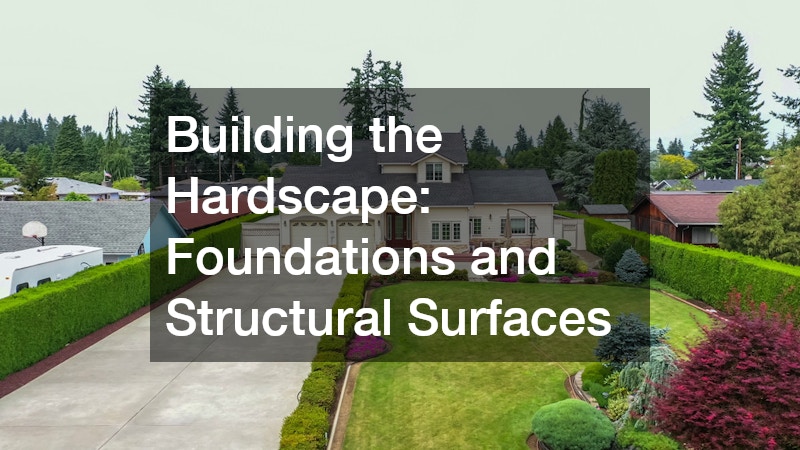
The transition from the home’s structure to the surrounding landscape is defined by its hardscaping. This layer provides the functional “floor” for outdoor living and ensures that the house sits on a stable, well-drained pedestal. When renovating an older property, the original walkways and patios are often cracked or heaving due to frost cycles. Collaborating with experienced concrete contractors allows for the installation of reinforced slabs that utilize modern additives to resist cracking and salt damage. This is the stage where you can also install radiant heating coils beneath outdoor surfaces to eliminate snow removal tasks entirely.
The engineering of these surfaces must take into account the “mass” of the modern home. For instance, if you are planning to add a heavy masonry fireplace or a large-scale outdoor kitchen, the concrete must be poured to a specific PSI and depth to prevent settling. Beyond the utility of a patio, hardscaping serves as a critical water-management tool. By using retaining walls and strategically sloped surfaces, you can direct rainwater away from the foundation and toward bio-swales or municipal drains. This protects the integrity of the waterproofing work completed in the previous phase.
- Reinforcement Techniques:
Using rebar and fiber-mesh additives ensures that your new outdoor surfaces can handle vehicle traffic or heavy furniture. - Aesthetic Finishes:
Stamped and stained concrete can mimic the look of natural stone while providing a more durable and lower-maintenance surface. - Load Bearing:
Proper sub-base preparation is the most important part of the pour, preventing the “sinking” effect seen in amateur installations. - Integrated Drainage:
Hidden channel drains can be cast directly into the concrete to manage heavy rainfall without unsightly surface puddles.
Designing the Approach: High-Performance Driveways and Paths
The entrance to the property sets the tone for the entire modernization project. A cracked, potholed driveway not only detracts from the home’s curb appeal but can also cause mechanical damage to vehicles. Modern paving services have evolved to offer high-durability solutions that prioritize both smoothness and sustainability. For many homeowners, a thick, professionally applied layer of asphalt remains the best choice for balancing cost and performance. The key to success here is the “compaction” of the sub-grade, which prevents the ruts and depressions that often plague older driveways.
To achieve a commercial-grade finish that lasts for twenty years or more, it is essential to hire asphalt paving contractors who utilize heavy-duty rollers and high-quality binder levels. A professional-grade driveway is built in layers, with a dense stone base providing the structural support and a fine-grained top coat providing the smooth, dark finish that makes a property look brand new. Furthermore, these surfaces can be treated with infrared technology to seamlessy patch any future utility cuts, ensuring the “approach” to your home remains pristine regardless of future repairs or upgrades.
- Edge Restraint:Proper curbing or heavy-duty edging prevents the asphalt from migrating or “spreading” over time.
- Permeability Control:
While traditional asphalt is non-porous, modern mixes can be designed to allow some water infiltration, reducing the load on the sewer system. - UV Protection:
High-quality sealants applied after the initial curing period protect the bitumen from the oxidizing effects of the sun. - Visual Uniformity:
A fresh, black driveway provides a sharp contrast against the green of the landscape, instantly elevating the home’s market value.
Marrying Form and Function: Interior Craftsmanship and Final Curation
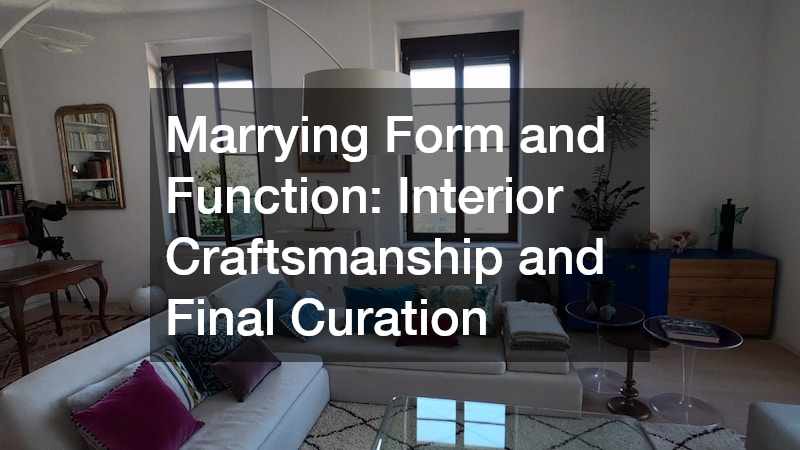
Once the exterior is secured and the hardscaping is complete, the focus turns inward to the high-traffic areas that define daily life. This phase marks the transition from structural protection to personal livability, where the internal layout is optimized for the movement of the household. The modern interior is characterized by an open flow and “smart” storage that keeps the living space uncluttered, utilizing architectural voids and multi-functional zones to create a sense of expansive tranquility. The most significant investment in this phase is the installation of high-end cabinetry, which serves as both a primary aesthetic element and a vital organizational tool. Modern millwork in 2026 goes beyond simple cupboards; it involves integrated lighting that activates upon entry, hidden charging stations tucked within drawers to eliminate cord clutter, and soft-close mechanisms that feel substantial and silent. Custom-built units in the kitchen and bathrooms allow you to maximize every square inch of the home’s footprint, transforming previously dead space into useful storage for appliances or linens.
As the interior nears completion, the “final layer” of the property is added to the exterior to soften the industrial lines of recent construction. This is where a landscape contractor comes in to bridge the gap between the new hard surfaces and the natural environment, selecting species that complement the home’s color palette and regional climate. By installing mature plantings, automated irrigation that adjusts based on local weather data, and low-voltage architectural lighting that highlights the home’s best features, you provide the “soft” edges that make the new construction feel established and warm. This final step is about more than just plants; it is about the emotional experience of the property, ensuring that the transition from the street to the front door is as welcoming as the interior itself. This synthesis of organic growth and modern structure provides the final polish, turning a construction project into a curated estate that feels deeply connected to its surroundings.
Material Selection:
Choosing hardwoods and high-pressure laminates for the interior ensures that the surfaces are easy to clean and resistant to scratching.
- Ergonomic Design:
Pull-out shelving and vertical dividers in the kitchen reduce physical strain and keep the home organized. - Biophilic Elements:
Integrating indoor-outdoor planters or “green walls” helps maintain air quality and brings a sense of calm to the interior. - Lighting Layers:
Coordinating the interior lighting with the exterior landscape lighting creates a sense of depth and security during the evening hours.
Conclusion: Living in a Future-Proofed Environment
The journey from a dated, vulnerable house to a high-performance modernized home is a significant undertaking that requires patience and a commitment to quality. By following this roadmap, you have ensured that the beauty of your new kitchen and the sleekness of your custom cabinetry are protected by a robust, expertly engineered exterior. You have addressed the “hidden” problems—like drainage, roofing, and site safety—before they could compromise your lifestyle or your financial investment. This holistic approach is what separates a simple remodel from a true property evolution.
As you step into your modernized space, you can do so with the confidence that every system is functioning in harmony. Your home is no longer just a shelter; it is an asset that is prepared for the environmental and lifestyle challenges of the next two decades. Whether you are enjoying the silence of a well-insulated room or the visual peace of a perfectly manicured landscape, the result of your hard work is a sanctuary of reliability and style. In the end, the true value of a modernized home isn’t just in the resale price—it is in the daily peace of mind that comes from living in a space designed for the future.