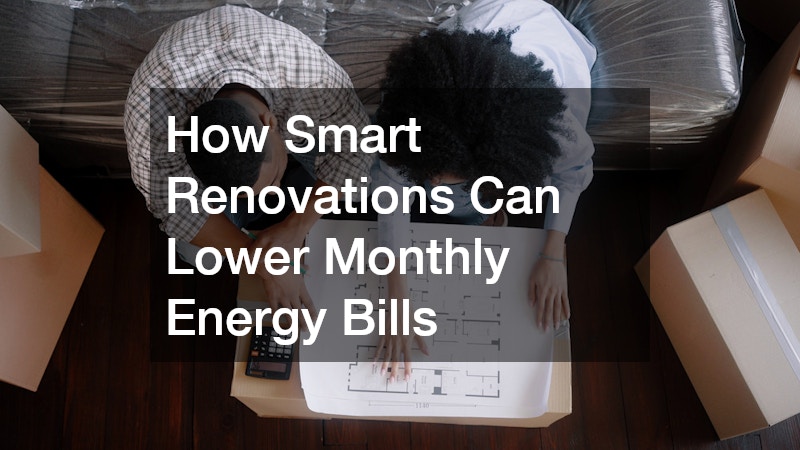
A home does not need to be brand new to perform efficiently. In many cases, lower monthly energy bills come from thoughtful updates that help the house hold temperature better, waste less water, and reduce strain on major systems.
Energy costs are rarely caused by one issue. Drafty rooms, aging equipment, poor insulation, inefficient fixtures, worn exterior materials, and weak ventilation can all make a home more expensive to live in. Sometimes the problem is obvious, like a cold room over the garage. Other times, it is hidden in the attic, behind walls, or inside equipment that has been working too hard for years.
Smart renovations treat the home as one connected system. When one part performs poorly, another part often has to compensate. A poorly sealed attic can make cooling equipment run longer. A worn exterior door seal can make a hallway feel chilly. A hidden plumbing leak can waste hot water every day without drawing much attention.
The best results usually come from identifying where energy is being wasted, then choosing upgrades that solve the real problem instead of only improving appearance. Homeowners do not have to renovate everything at once. A smart plan can start with practical improvements, then build toward larger projects as budget and timing allow.
Starting With a Whole-Home Energy Review

Before replacing equipment or opening walls, homeowners should understand where energy is being lost. A whole-home review gives direction to a broader home remodeling plan and helps prevent wasted spending.
This review should include attic insulation, drafts around windows and doors, ductwork, seasonal utility bill spikes, and the age of major equipment. Older HVAC systems deserve special attention because they may still run while using more energy than necessary. A system that cycles constantly, makes unusual noises, or leaves certain rooms uncomfortable may point to a bigger performance issue.
For example, if upstairs bedrooms are too warm every summer, the first instinct may be to replace the air conditioner. But an inspection might reveal thin attic insulation, duct leaks, and poor airflow. In that case, a new unit alone may not fix the problem.
A practical review can begin with simple observations. Walk through the house on a hot afternoon or cold morning and notice which rooms feel different from the rest. Look for curtains that move near closed windows, doors that do not latch tightly, dusty streaks around vents, or areas where floors feel unusually cold. These small details often point to larger efficiency issues.
Utility bills can also tell a story. A sudden increase may suggest equipment trouble, while a predictable seasonal spike may reveal insulation, air sealing, or ventilation problems. Comparing bills over several months helps homeowners separate one-time changes from recurring patterns.
A smart plan starts by matching the solution to the source. That may mean sealing air leaks before upgrading equipment, improving insulation before replacing windows, or repairing ducts before installing a new thermostat.
Sealing Leaks Before Conditioned Air Escapes
Air leaks are one of the most common reasons homes feel uncomfortable and cost more to heat or cool. Small gaps can add up quickly, allowing conditioned air to escape and outdoor air to enter.
The attic is often a major trouble spot. Gaps around light fixtures, plumbing vents, attic hatches, wiring holes, and duct chases can waste energy throughout the year. Roof-related issues can also contribute to the problem. Damaged flashing, poor ventilation, and gaps near roof penetrations may affect comfort and efficiency.
Professional roofing services can help identify exterior problems that may be connected to indoor energy waste. Experienced roofers may notice blocked soffit vents, deteriorated seals, or moisture signs that homeowners might miss.
Some fixes are simple but effective:
- Add weatherstripping around loose doors.
- Seal gaps around plumbing and wiring penetrations.
- Insulate attic access doors.
- Caulk appropriate trim gaps.
- Check for stains, musty odors, or daylight in the attic.
Air sealing is not flashy, but it helps the home hold onto the air that has already been heated or cooled. It can also make rooms feel less drafty, reduce dust movement, and improve the performance of insulation.
The best time to address leaks is before finishing other work. Once new insulation, drywall, or trim is installed, hidden gaps can become harder to reach. That is why air sealing should be treated as a foundation for other efficiency upgrades, not an afterthought.
Strengthening Insulation Where Temperatures Shift
Once leaks are sealed, insulation can work more effectively. Insulation slows heat movement, helping rooms stay warmer in winter and cooler in summer.
The attic is usually the best place to start because heat moves easily through the top of the house. Crawl spaces, basement rim joists, exterior walls, and rooms over attached garages may also need attention. These areas are often overlooked because they are not part of daily living space, but they can strongly influence comfort.
Timing matters. If a homeowner is already planning to reroof, it can be a good opportunity to evaluate attic ventilation, roof decking, radiant barriers, and insulation. Coordinating these improvements can prevent missed opportunities and reduce disruption later.
Better insulation also lowers heating and cooling demand. When indoor temperatures stay steadier, equipment does not need to run as often or as long. This can help reduce monthly bills while also lowering wear on major systems.
The order of work is important. Sealing should usually come before insulation. Adding insulation over unsealed gaps can hide air leaks and allow warm, moist air to keep moving into problem areas. The smarter sequence is to seal, confirm ventilation, and then insulate.
Homeowners should also avoid assuming that more insulation always solves the problem. Insulation must be installed correctly, without compression, gaps, or blocked ventilation paths. In an attic, for instance, insulation should cover the living space evenly while still allowing air to move where ventilation is required.
A well-insulated home does not just save energy. It feels calmer. Rooms hold temperature longer, equipment cycles less often, and sudden weather changes are less noticeable indoors.
Improving Water Use During Room Updates
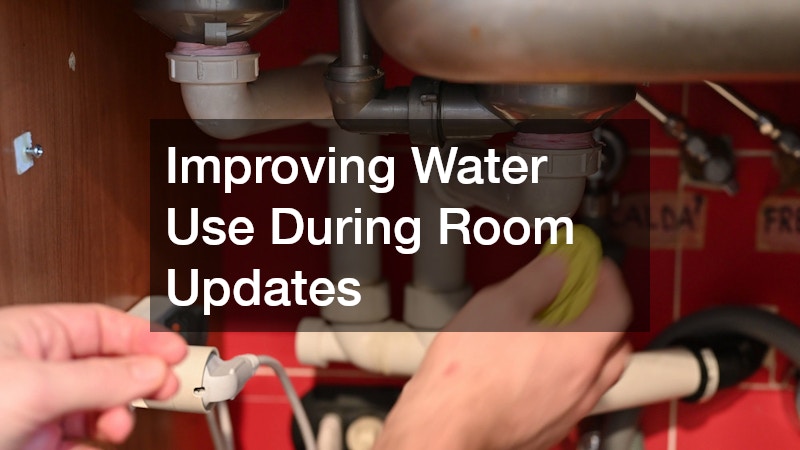
Kitchen, bathroom, and laundry renovations are excellent chances to reduce energy waste. Water heating can make up a meaningful part of household energy use, especially in homes with older fixtures, inefficient water heaters, or long pipe runs.
During a bathroom update, homeowners can choose low-flow showerheads, efficient faucets, better ventilation, and insulated hot water lines. These choices may not dramatically change the look of the room, but they can reduce waste for years.
Plumbing contractors can help identify hidden leaks, inefficient layouts, outdated water heaters, or poorly insulated pipes. Even a slow hot-water drip wastes both water and the energy used to heat it.
Homes with fireplaces or fuel-burning appliances should also consider maintenance as part of overall efficiency and safety. Regular chimney cleaning supports proper venting and helps reduce risks related to soot, blockages, or poor draft.
A room update should not only look better. It should function better every day. For example, a homeowner may replace an old shower during a bathroom renovation but keep an inefficient fixture that uses more hot water than necessary. Another homeowner might use the same project to install a water-saving showerhead, insulate accessible pipes, and check the water heater temperature. The room may look similar, but the second project performs better over time.
Laundry areas deserve the same attention. Efficient washers, leak-free connections, proper dryer venting, and shorter hot water runs can all reduce waste. These details are easier to address while a room is already being updated than after finishes are complete.
Managing Temperature With Better Controls
Comfort is not only about large equipment. Thermostat settings, airflow, filter changes, duct condition, and routine maintenance all affect how efficiently a home operates.
A smart thermostat can help when it is programmed around real routines. If the home is empty during the day, small temperature adjustments can reduce runtime. At night, modest setbacks may save energy without sacrificing comfort.
Maintenance also matters. Dirty filters restrict airflow, blocked vents reduce comfort, and closed interior doors can create pressure problems. In warm months, timely local ac repair can prevent small performance issues from turning into higher bills.
Attached garages deserve attention too. A hot or cold garage can affect nearby rooms, especially bedrooms or living areas that share walls or ceilings with it. Garage door repair may help when seals are cracked, panels are damaged, or the door no longer closes tightly.
Helpful habits include replacing filters regularly, keeping vents clear, checking garage seals, and calling for service when airflow, noise, or cycling patterns change.
Temperature control works best when homeowners combine technology with awareness. A smart thermostat cannot overcome blocked vents or a neglected system. Likewise, a well-maintained system may still waste energy if the thermostat is set to extreme temperatures throughout the day.
Small adjustments are often more realistic than drastic changes. A few degrees of setback while sleeping or away from home can help reduce runtime without making the house uncomfortable. The goal is not to make the home feel restricted. It is to stop paying to condition empty rooms or compensate for avoidable problems.
Choosing Exterior Updates That Work Harder
Exterior improvements should do more than improve curb appeal. Windows, doors, siding, shading, and roof materials all influence how much heat enters or leaves the home.
Window replacement can help, but it is not always the first step. If the attic leaks air or insulation is weak, new windows may not deliver the expected comfort improvement. In many homes, sealing and insulation should come first.
When windows are replaced, homeowners should compare U-factor, solar heat gain, glass type, frame materials, and installation quality. Doors should also be checked for worn sweeps, loose thresholds, and damaged weatherstripping.
Shading can make a noticeable difference. Awnings, trees, solar screens, pergolas, and quality window coverings can reduce heat gain in sunny rooms. In hot climates, lighter or reflective exterior materials may also help reduce heat absorption.
The smartest exterior upgrades improve both appearance and performance. A new front door, for instance, should not only look attractive. It should close tightly, resist drafts, and match the home’s climate needs. New siding should not only refresh the exterior. It should support proper moisture management and help protect the home’s thermal boundary.
Homeowners should also think about sun exposure throughout the day. A west-facing room that overheats every afternoon may benefit from exterior shade before expensive equipment changes are considered. Sometimes the simplest solution is to reduce the amount of heat entering the home in the first place.
Prioritizing Projects by Savings and Comfort

Not every renovation delivers the same return. The best order depends on the home’s condition, budget, and comfort problems.
Low-cost improvements usually come first: air sealing, weatherstripping, thermostat programming, filter changes, and minor duct repairs. Medium-sized projects may include added insulation, efficient fixtures, water heater upgrades, appliance replacements, and door repairs. Larger upgrades, such as window replacement, roof replacement, major equipment changes, or full room renovations, require more planning.
Coordinating related work can save money and reduce disruption. If a kitchen renovation is planned, it makes sense to evaluate plumbing, ventilation, and insulation before cabinets are installed. If attic work is planned, air sealing, ducts, insulation, and ventilation should be reviewed together.
Homeowners should compare estimates based on long-term performance, not just upfront cost. The lowest bid may not include the details that matter most, such as sealing, ventilation, sizing, or insulation quality.
It also helps to separate urgent problems from strategic improvements. A failing system, active leak, or moisture issue should usually be handled before comfort upgrades. Once the home is safe and stable, homeowners can focus on projects that improve efficiency, reduce waste, and support long-term value.
Keeping records is useful as well. Product information, contractor notes, warranty details, and utility bills can help homeowners track what changed and whether the improvements are working. These records may also be valuable if the home is sold later.
Avoiding Mistakes That Waste Renovation Dollars
A common mistake is replacing major equipment without fixing the conditions that made it work too hard. A new system may be more efficient, but if the attic leaks, ducts are unsealed, and insulation is weak, the home may still waste energy.
Another mistake is focusing only on visible upgrades. New windows, doors, appliances, and finishes can be valuable, but hidden problems often have a bigger effect on comfort and utility costs.
Ventilation should not be ignored. A tighter home still needs proper airflow and moisture control in bathrooms, kitchens, attics, crawl spaces, and areas with fuel-burning appliances.
Before starting a project, homeowners should ask:
- What problem is this upgrade solving?
- Will another issue limit its effectiveness?
- Does this affect moisture, airflow, or ventilation?
- Can related work be done now?
- How will results be measured?
These questions help keep renovation decisions practical and performance-focused.
Homeowners should also be cautious with one-size-fits-all advice. A renovation that works well in a hot, dry climate may not be the best choice in a cold, damp region. Local weather, home age, building materials, and existing conditions all matter. The right solution is the one that fits the house, not just the trend.
Lower monthly energy bills rarely come from one upgrade. They come from smart decisions that help the home waste less and perform better. Sealing leaks, improving insulation, maintaining equipment, reducing water waste, choosing better exterior materials, and planning projects in the right order all work together.
The most successful renovations begin with observation. Which rooms feel uncomfortable? When do bills spike? Where are drafts noticeable? What runs constantly? These clues help homeowners spend money where it will make the greatest difference.
Over time, these improvements create a home that is easier to live in and less expensive to operate. That is the real value of energy-focused renovation: not just a lower bill, but a home that works better in everyday life.